Bruising after Botox isn’t just an occasional mishap; it’s a common concern that leaves many enthusiasts of this magical wrinkle-smoothing treatment a bit wary. Botox, while celebrated for its ability to erase fine lines and impart a youthful glow, comes with its baggagebruising. The question “Will I bruise after Botox?” isn’t just a fleeting thought; it’s a legitimate concern for first-timers and seasoned users alike. And here’s the bold truth: bruising can often be avoided with the right precautions.
Understanding Botox Bruising
Learn how to manage and prevent bruising from Botox treatments effectively.
– Bruising after Botox is primarily caused by needle trauma and individual sensitivity, which can vary from person to person.
– To avoid bruising, consider factors like avoiding blood thinners, applying ice before treatment, and choosing an experienced injector.
– If bruising occurs, apply ice to reduce swelling and contact your doctor if the bruise worsens or if you experience unusual symptoms.
What Causes Bruising After Botox?
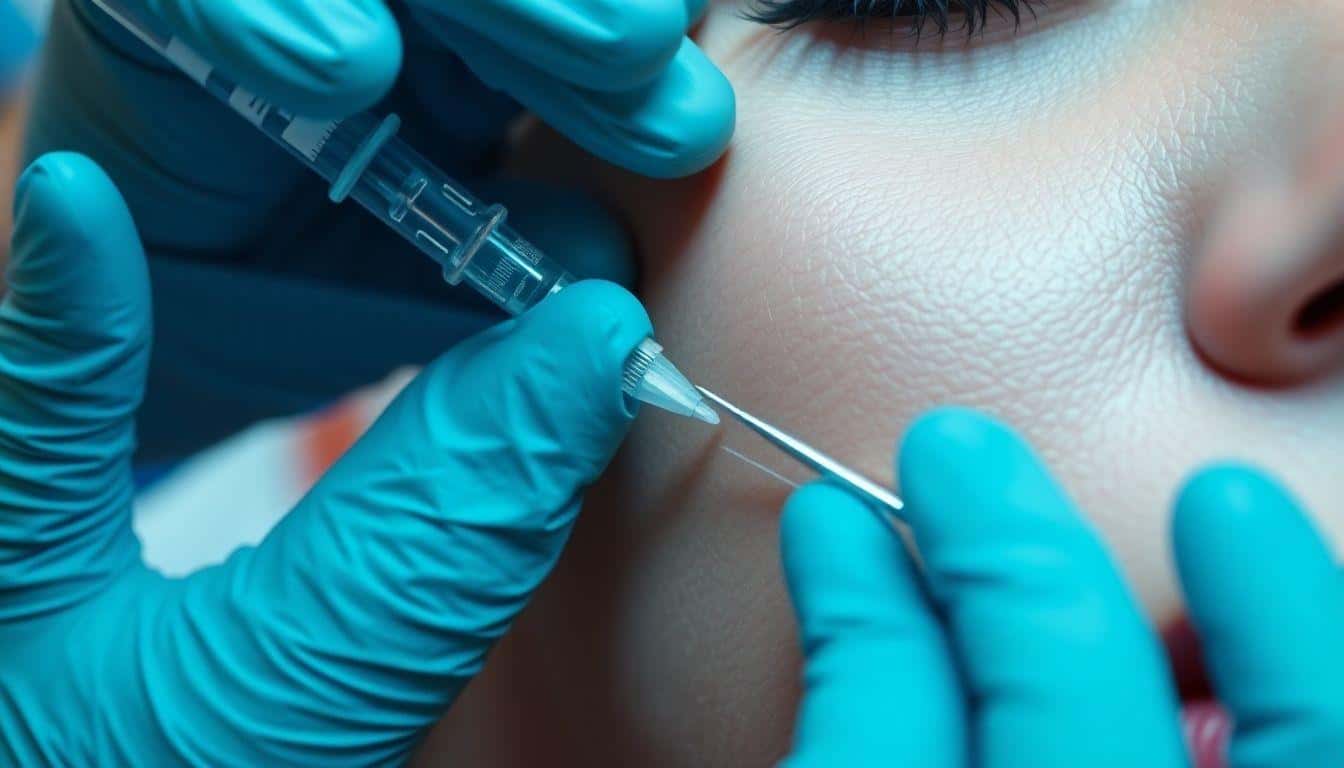
Bruising after Botox injections is primarily due to the nature of the procedure itself. Botox is injected into the muscle using a fine needle, and this process can sometimes damage small blood vessels under the skin, resulting in a bruise. The delicate vascular nature of the facial skin compounded by the finesse of the procedure creates a perfect storm for potential bruising. But let’s be clearbruising isn’t necessarily a sign of anything going wrong; it’s just part of the body’s natural response.
Several factors influence the likelihood of bruising. One’s skin type, age, and even the specific facial area being treated can all impact how prone they are to bruising. For instance, areas around the eyes, where the skin is thinnest, are more susceptible. Personal health factors also play a rolethose with conditions affecting blood clotting, or who take blood-thinning medications, are more at risk. According to a study published in the Journal of Clinical and Aesthetic Dermatology, approximately 24% of individuals experience bruising post-injection, making it a common aftermath that needs addressing.
Insider Tip: Dr. Lisa Rhodes, a renowned dermatologist, suggests avoiding alcohol and certain supplements like fish oil and vitamin E a few days before Botox. These can increase bleeding and bruising risk.
How Can I Avoid Bruising After Botox?
Avoiding bruising after Botox involves a blend of preparation, technique, and aftercare. Start by choosing a skilled and experienced practitioner. An expert injector knows precisely how to minimize trauma to the skin and blood vessels. Just as you’d trust a seasoned chef to cook a perfect steak, entrust your face to someone with a proven track record.
Before your appointment, it’s crucial to follow specific guidelines. Avoid alcohol and blood-thinning medications or supplements for at least 24-48 hours prior. These substances can increase the risk of bleeding and bruising by thinning your blood. Also, steer clear of strenuous activities on the day of your treatment; this includes exercise, which can elevate blood flow and increase bruising risk.
Aftercare is equally important. Applying a cold compress immediately after your session can constrict blood vessels and reduce the chance of bruising. Avoid touching or massaging the treated area, as this can exacerbate bruising. Anecdotally, I’ve found that sleeping with your head elevated on the first night post-procedure can also help reduce swelling and bruising.
For more comprehensive skincare solutions that can support your post-Botox skin, consider products from our Obagi Skincare range, which are formulated to enhance skin health and resilience.
What Should I Do If I Bruise After Botox?
So, the inevitable has happened. Despite your best efforts, you’ve got a bruise. First, don’t panic. Bruising is usually a benign side effect that resolves on its own within a week or two. But there are measures you can take to speed up the healing process.
Topical treatments like arnica gel or vitamin K cream are popular for reducing bruising. Arnica, derived from a yellow flowering plant, has been used for centuries to treat bruises and inflammation. Applying it a couple of times a day can help diminish the discoloration. Vitamin K creams work by aiding the body’s natural healing processes, helping to break down the pooled blood beneath the skin.
Additionally, consider incorporating skincare products into your routine that promote healing. Our SkinMedica line offers options that are gentle and healing-focused, perfect for post-procedure care.
In my own experience, applying a concealer with a yellow undertone can effectively mask bruising until it fades. This simple cosmetic fix can boost your confidence and keep you looking your best while your body does the rest.
Insider Tip: Dr. Karen Mulligan, an aesthetician with over 20 years of experience, recommends gently tapping the bruised area rather than rubbing it. This can help stimulate circulation without exacerbating the bruise.
When Should I See a Doctor?
While bruising from Botox is typically harmless, there are instances where medical attention may be necessary. If the bruise is accompanied by severe pain, swelling, or if it doesn’t improve after two weeks, it’s time to consult your practitioner. These could be signs of an underlying issue, such as an infection or an allergic reaction, though these are rare.
Persistent or worsening bruising may indicate an error in the injection technique or an unusual reaction, requiring professional evaluation. Your doctor can assess whether further treatment is needed or provide reassurance if it’s just a stubborn bruise.
It’s essential to communicate openly with your practitioner about any concerns you have both before and after your treatment. They can provide personalized advice tailored to your skin type and health history.
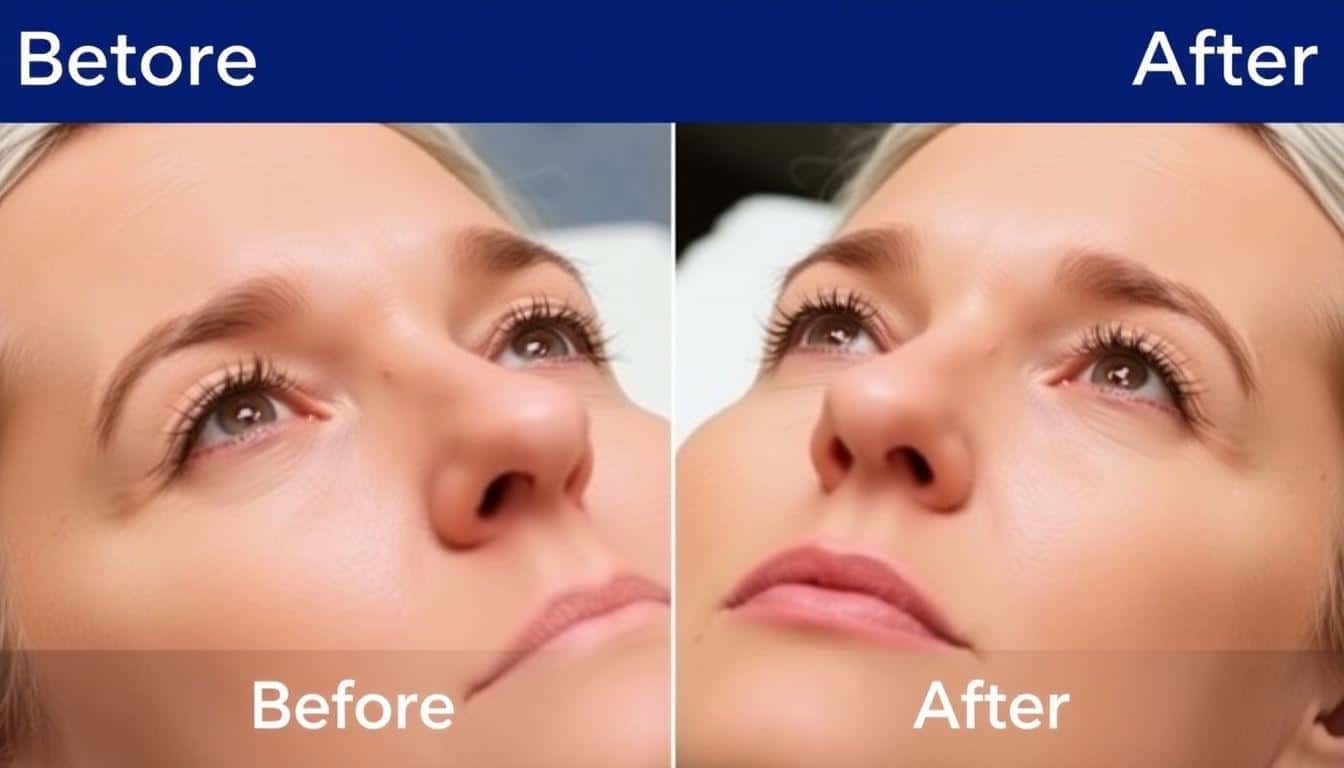
For a deeper dive into what you can expect before and after Botox, including potential outcomes, visit our Before & After gallery to see real results from real clients.
Insider Tip: Always keep a record of any adverse reactions and discuss them during your follow-up appointments. This helps tailor future treatments to your unique needs.
Conclusion
The possibility of bruising after Botox shouldn’t scare you away from experiencing the myriad benefits of this cosmetic procedure. With the right preparation and aftercare, the risk can be minimized significantly. It’s about taking a proactive approachchoosing a qualified practitioner, preparing your body beforehand, and handling post-treatment care with diligence.
Remember, bruising is a natural response and not an indicator of a botched job. By understanding and addressing the factors that contribute to bruising, you can enjoy the benefits of Botox while keeping your skin looking its best.
Ultimately, whether you’re a Botox newbie or a seasoned pro, education and communication with your provider are your best tools. With these strategies, your Botox journey can be smooth, rejuvenating, and as bruise-free as possible.
For additional resources on skincare and anti-aging treatments, explore our collection of professional-grade products at Posh Med Spa.
Common Questions
Will I bruise after getting Botox injections?
Yes, some people may experience bruising after Botox treatment.
What causes bruising after Botox injections?
Bruising can occur due to needle insertion and blood vessel damage.
How can I minimize bruising after Botox treatments?
Applying ice and avoiding blood thinners can help reduce bruising risk.
Who is more likely to bruise after Botox injections?
Individuals with sensitive skin or those on blood thinners may bruise more.
What should I do if I notice bruising after Botox?
Bruising is usually temporary; consult your provider if it worsens.
Will bruising affect the results of my Botox treatment?
No, bruising typically does not impact the effectiveness of Botox.