
In the ever-evolving realm of skincare, two treatments consistently reign supreme for their transformative powers: microneedling and chemical peels. Both promise rejuvenation and a youthful glow, yet the path they take to achieve these results differs significantly. As someone who has been on a quest for perfect skin for years, I’ve personally dabbled in both treatments. My verdict? The superiority of one over the other hinges on individual skin needs, concerns, and even lifestyle. Let’s embark on a journey to dissect these treatments and discover which might align with your skincare goals.
Microneedling vs Chemical Peels
Discover the key differences between microneedling and chemical peels to determine which treatment suits your skincare needs.
– What is Microneedling? It involves using fine needles to create micro-injuries in the skin, promoting collagen production for a smoother complexion.
– What is a Chemical Peel? This treatment uses acids to exfoliate the skin, improving texture and reducing signs of aging or discoloration.
– Which is Better? Microneedling is ideal for deeper skin rejuvenation, while chemical peels are effective for surface-level concerns; your choice depends on your specific skin goals and conditions.
What Is Microneedling?
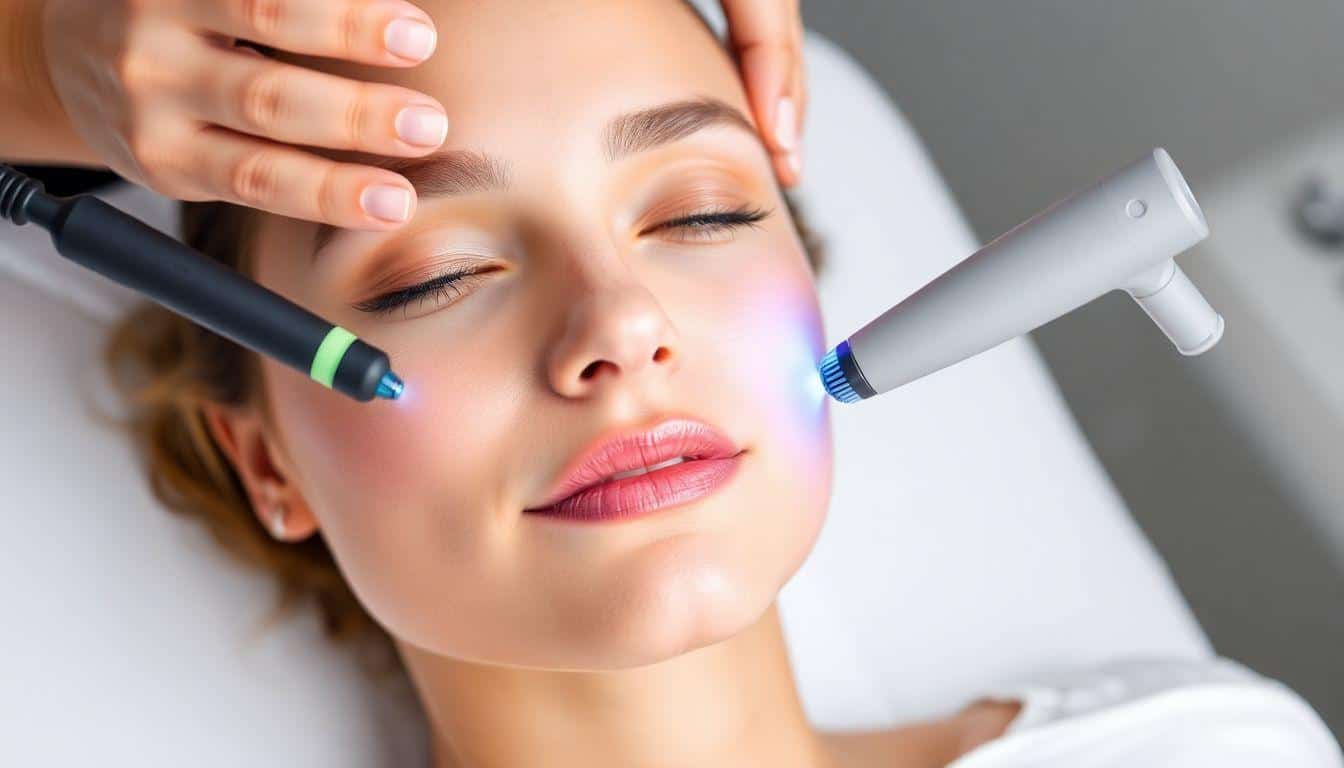
Microneedling, also known as collagen induction therapy, is a minimally invasive procedure that utilizes tiny, sterilized needles to puncture the skin. This controlled skin injury triggers the bodys natural wound healing process, stimulating collagen and elastin productiontwo proteins vital for maintaining skin elasticity and firmness.
During my first microneedling session, I was apprehensive about the potential pain. But surprisingly, the discomfort was minimal thanks to a numbing cream applied beforehand. The sensation was akin to a gentle sandpapering, and the results were astonishing. My skin, which was once marred by acne scars, appeared smoother and more even in texture after just a few sessions.
Microneedling has been lauded for its ability to improve the appearance of scars, wrinkles, and enlarged pores. Research shows that this treatment can increase collagen production by up to 400%, making it a potent option for those looking to combat aging. However, its crucial to seek a professional who uses sterile needles and offers a clean environment to mitigate any risk of infection.
What Is a Chemical Peel?
Chemical peels, on the other hand, employ a chemical solution to exfoliate the skin’s surface. This process removes dead skin cells, revealing the newer, fresher skin beneath. Chemical peels vary in strength from superficial to deep, allowing for customization based on individual skin concerns.
My experience with chemical peels was transformative but required a bit more patience. The initial redness and peeling left my skin looking worse before it got better, a common occurrence known as the peeling phase. However, once the peeling subsided, my skin glowed with a radiance I hadnt seen in years.
Chemical peels are particularly effective for treating sun damage, hyperpigmentation, and fine lines. A study published in the Journal of the American Academy of Dermatology found that patients who underwent medium-depth peels experienced significant improvement in skin texture and tone.
Microneedling vs. Chemical Peels: The Benefits
Microneedling
The benefits of microneedling extend beyond just enhancing skin texture. This treatment is renowned for its ability to:
- Stimulate collagen production: As mentioned, the collagen boost can lead to firmer, more youthful skin.
- Improve scar appearance: Particularly effective for acne scars, microneedling can significantly reduce their visibility.
- Enhance product absorption: By creating micro-channels in the skin, microneedling enhances the penetration and efficacy of topical treatments.
Insider Tip: Dermatologist Dr. Lisa Hartman recommends using a vitamin C serum post-microneedling to maximize results and promote healing.
Chemical Peels
Chemical peels offer a different set of advantages, including:
- Exfoliation: By removing dead skin cells, chemical peels leave the skin smoother and more radiant.
- Treatment of pigmentation issues: Peels can be particularly effective for melasma, age spots, and other pigmentation concerns.
- Reduction of fine lines: The exfoliation process helps in minimizing the appearance of fine lines and wrinkles.
For those with specific pigmentation issues, a chemical peel might be the preferred choice as it directly targets these concerns.
Microneedling vs. Chemical Peels: The Risks
While both treatments have their merits, they are not without risks. Understanding these is crucial before making a decision.
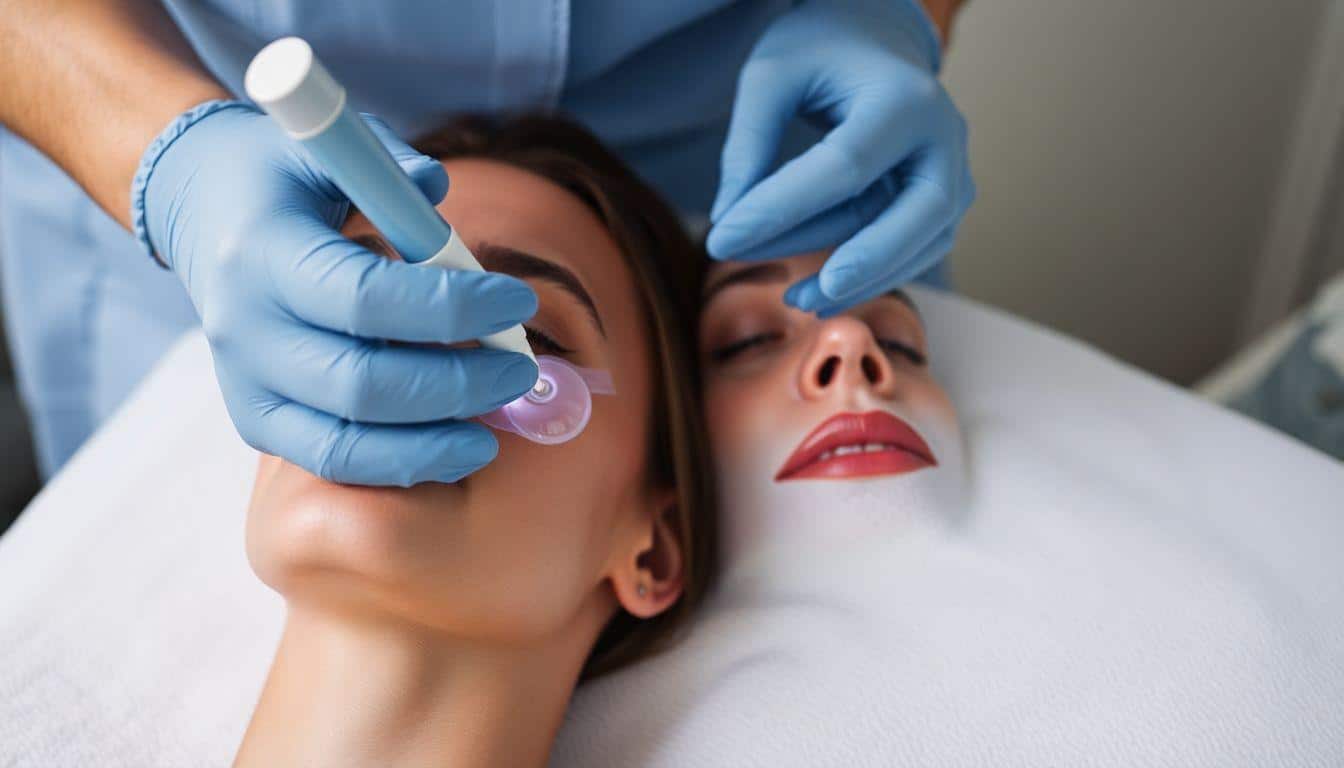
Microneedling involves piercing the skin, which can introduce bacteria if not done under sterile conditions. Its essential to choose a reputable clinic and ensure that single-use needles are employed to avoid cross-contamination. Post-treatment, there can be redness and slight swelling, but these typically subside within a few days.
Chemical peels, especially the deeper ones, carry a risk of scarring and pigmentation changes, particularly in individuals with darker skin tones. Its vital to have a thorough consultation with a dermatologist who can tailor the peel strength to your skin type and history.
A personal misstep: I once hastily booked a chemical peel without disclosing my recent use of retinoids. The result was an over-exfoliated, irritated complexion that took weeks to heal. Transparency with your skincare professional is vital to avoid such mishaps.
Microneedling vs. Chemical Peels: Recovery and Aftercare
Recovery and aftercare are pivotal components of both treatments and can influence your decision based on lifestyle and time constraints.
Microneedling generally requires minimal downtime. You might experience redness akin to a mild sunburn for a day or two. It’s crucial to avoid direct sun exposure and apply a high-SPF sunscreen to protect the healing skin. Gentle moisturizers and serums can also aid in the recovery process.
Chemical peels, depending on their depth, can necessitate a more extended healing period. Superficial peels may only cause mild redness, while medium and deep peels can result in significant peeling and flaking, lasting up to two weeks. During this time, moisturizing, avoiding sun exposure, and following any additional dermatologist-recommended care are essential.
Microneedling vs. Chemical Peels: Cost
Cost is an important factor for many when deciding between these treatments. Microneedling sessions can range from $200 to $700 per session, depending on the clinic and geographic location. On the other hand, chemical peels can vary dramatically in price. A light peel might cost $150, while a deep peel can reach upwards of $3,000 due to the increased complexity and potential need for anesthesia.
It’s worth noting that many clinics offer package deals for microneedling, which can reduce the overall cost. Conversely, chemical peels might be more cost-effective if a lighter peel suffices for your skin concerns.
Microneedling vs. Chemical Peels: Which Is Better?
The ultimate question remains: which is better? The answer is subjective and depends on your specific skin goals. If you’re seeking to boost collagen, reduce acne scars, and have minimal downtime, microneedling may be the route to take. However, if your primary concerns are sun damage, pigmentation, and fine lines, a chemical peel might offer the more dramatic results you seek.
In my experience, alternating between the two treatments has provided the most comprehensive results. Microneedling sessions, spaced a few months apart and interspersed with light chemical peels, have kept my skin in top condition.
Insider Tip: Consider your skins tolerance and consult with a skincare professional to create a personalized treatment plan that combines the benefits of both methods.
The Bottom Line
In the debate of microneedling vs. chemical peels, the best choice is one tailored to your unique skin needs and lifestyle. Both treatments offer significant benefits and can complement each other when used appropriately. Before deciding, consult with a trusted dermatologist to discuss your skins history, concerns, and goals. Embrace the journey to healthier skin with informed choices, and the results will undoubtedly reflect your diligence and care.
For more detailed insights into skincare routines, you might find this related article insightful: Sample Post 1.
References
- “A Study on the Efficacy of Microneedling and Chemical Peels,” Journal of Dermatological Science.
- “Comparative Analysis of Chemical Peels,” American Academy of Dermatology.
- “Collagen Induction Therapy: An Overview,” Dermatology Online Journal.
This exploration into microneedling and chemical peels should empower you to make a decision that aligns with your skincare aspirations. Whether you choose one, both, or neither, your journey to radiant skin is yours to define.
Answers To Common Questions
What is the main difference between microneedling and chemical peels?
Microneedling creates tiny wounds to stimulate collagen, while chemical peels exfoliate the skin using acids.
Who should consider microneedling over chemical peels?
Individuals looking for deeper collagen stimulation and improved texture may prefer microneedling.
How do I know which treatment is better for my skin type?
Consulting with a licensed dermatologist can determine the best treatment for your skin needs and concerns.
What are the expected results from microneedling versus chemical peels?
Microneedling typically improves texture and firmness, while chemical peels brighten and refine surface skin.
Are there any risks with microneedling compared to chemical peels?
Both treatments have risks; microneedling can cause scarring, while chemical peels may lead to irritation if misused.
Why should I choose chemical peels if microneedling sounds effective?
Chemical peels might be better for those seeking quick exfoliation and immediate brightness without downtime.