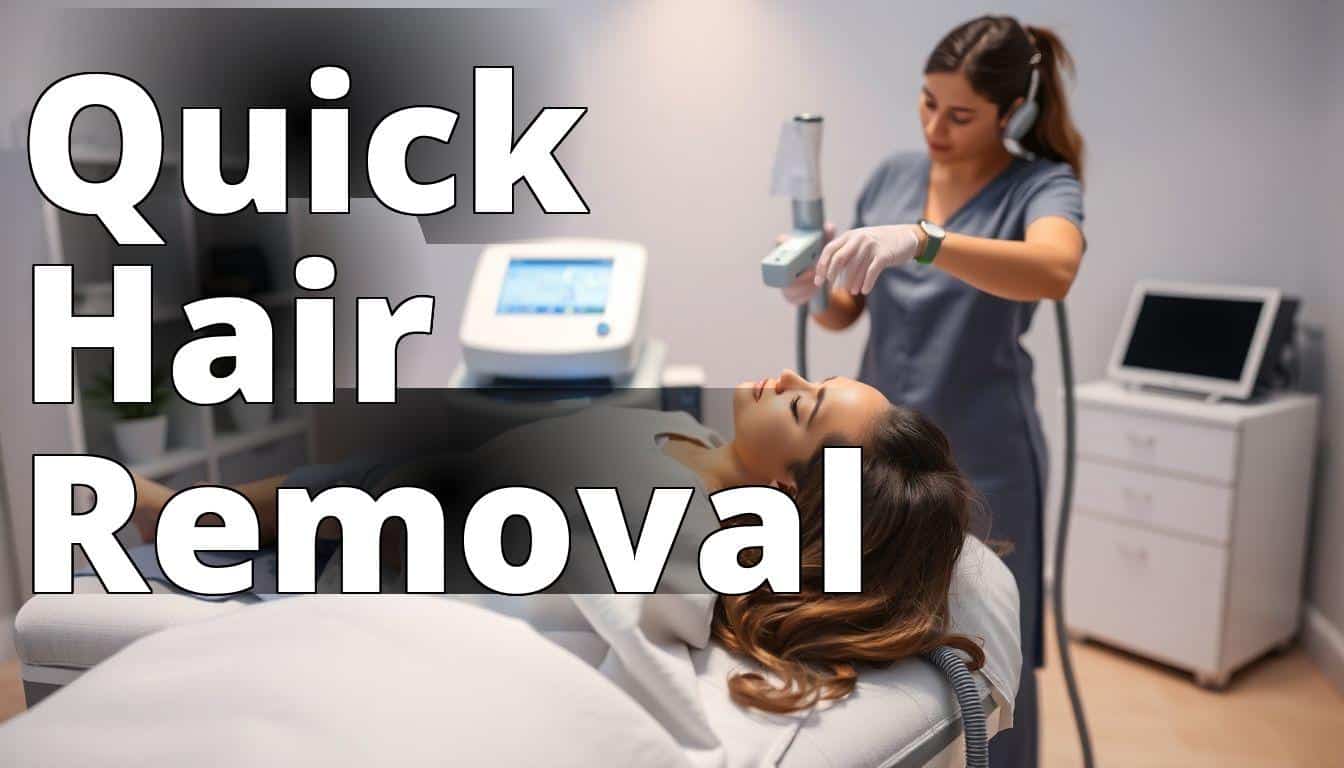
Diving headfirst into the world of laser hair removal is akin to starting a journey toward a future of smooth, hair-free skin. It’s a commitment, not just a one-time procedure, and understanding the nuances of this process is vital. We’re going to dissect each aspect of what you should expect during your first laser hair removal appointment, interspersed with personal experiences and expert insights, to provide you with a robust, no-nonsense guide.
Duration of Hair Removal Sessions
Learn about the timeline and expectations for laser hair removal treatments.
– First Appointment: Typically, your initial session includes a consultation and lasts about 30 minutes to an hour, depending on the treatment area.
– Session Length: Each laser hair removal session generally takes 15 minutes to an hour, based on the size of the area being treated.
– Total Sessions Needed: Most individuals require 6 to 8 sessions for optimal results, spaced about 4 to 6 weeks apart for effective hair reduction.
How Long Does Laser Hair Removal Take?
The time investment for laser hair removal is a crucial consideration for anyone contemplating this treatment. Generally, a laser hair removal session can vary from a quick 15-minute zap for the upper lip to a more extended hour-long session for larger areas like the back or legs. My first session, which targeted my underarms, clocked in at around 20 minutes from start to finish.
The duration is influenced by the size of the area being treated, the density of hair, and even the type of laser technology employed. For instance, the newer Alexandrite and Nd:YAG lasers tend to cover more ground in a shorter time due to their advanced targeting capabilities. However, it’s not just about the laser itself; the skill of the technician can make or break the efficiency of the session.
Insider Tip: According to Dr. Heather Woolery-Lloyd, a renowned dermatologist, “Consistency is key. Ensure that your sessions are scheduled four to six weeks apart to match the hair growth cycle, optimizing the effectiveness of the treatment.”
What to Expect During Your First Laser Hair Removal Appointment
Walking into the clinic for the first time, I was a bundle of nerves and curiosity. The initial consultation is typically comprehensive, aimed at understanding your skin type, hair color, and any underlying health conditions that might affect the treatment. Expect to be asked about your medical history, current medications, and any previous skin treatments. This is crucial because certain medications and skin conditions can increase the risk of side effects.
The pre-treatment protocol often involves shaving the target area 24 to 48 hours prior. This minimizes the risk of burns from singed hair and allows the laser to effectively target the follicle. I remember meticulously shaving my legs, feeling both excited and apprehensive about what was to come.
Once prepped, the technician will provide protective eyewear to shield your eyes from the laser. The sensation during the procedure can range from a tingling feeling to a slight snap, like a rubber band against the skin. It’s quick and bearable, but everyones pain threshold is different.
Insider Tip: Hydration is your best friend. Drink plenty of water before and after your session to help your skin recover more efficiently.
How Many Laser Hair Removal Sessions Will You Need?
Laser hair removal is not a one-and-done affair. It typically requires a series of treatments to achieve optimal results. The average person needs between six to eight sessions, spaced about four to six weeks apart. This scheduling aligns with the hair growth cycle, which consists of the anagen (growth), catagen (transition), and telogen (resting) phases. The laser is most effective during the anagen phase when the hair is actively growing.
In my case, it took about seven sessions before I noticed a significant reduction in hair growth on my legs. Factors such as hair color, skin type, and even hormonal balance can influence the total number of sessions required. Blondes and redheads, for instance, may need more sessions due to the lower melanin content in their hair.
Insider Tip: According to Dr. Ava Shamban, a prominent cosmetic dermatologist, “Patients with darker hair and lighter skin often see the quickest results because the laser targets the pigment in the hair.”
Does Laser Hair Removal Hurt?
Pain is subjective, and what feels like a mere pinch to one person might be intolerable to another. Personally, I found the discomfort akin to a series of rapid pinpricks. Some areas, like the underarms and bikini line, tend to be more sensitive than others.
Pain management is available; many clinics offer numbing creams or cooling devices to mitigate discomfort. During my sessions, the technician used a cooling gel that took the edge off the more intense spots.
Insider Tip: If you’re particularly sensitive, schedule your appointment for a time when you’re not premenstrual, as hormonal changes can heighten pain sensitivity.
What Are the Side Effects of Laser Hair Removal?
Like any cosmetic procedure, laser hair removal is not without its side effects. Commonly, you might experience redness and slight swelling immediately after the session, akin to a mild sunburn. These usually subside within a few hours to a day. I found that applying a soothing aloe vera gel helped alleviate these symptoms.
However, there are less common side effects such as blistering, temporary pigmentation changes, and, in rare cases, scarring. These are more likely if the procedure is performed by an inexperienced technician or if post-care instructions are not followed.
Insider Tip: Avoid sun exposure on the treated area both before and after your appointments. UV exposure can heighten the risk of pigmentation changes and skin irritation.
Is Laser Hair Removal Permanent?
The allure of permanent hair reduction is what draws many to laser hair removal. While the procedure significantly reduces hair growth, calling it permanent is a bit of a misnomer. Most people experience a 70-90% reduction in hair growth after completing their sessions. The remaining hair typically grows back finer and lighter.
For me, maintenance sessions every 6 to 12 months have become part of my routine to manage any regrowth. This is particularly necessary for areas with hormonal influence, such as the face and bikini line.
Insider Tip: Dr. Paul Jarrod Frank, a cosmetic dermatologist, advises incorporating touch-up sessions into your annual skincare regimen to maintain results.
The Bottom Line
Laser hair removal is a transformative journey that, while requiring an investment of time and money, can yield long-lasting results. The key is managing expectations and understanding that its a reduction, not an absolute elimination. The benefits of smoother, less hairy skin can indeed be life-changing, offering a newfound confidence and freedom from the daily grind of shaving or waxing.
Expert Sources
- Dr. Heather Woolery-Lloyd, Dermatologist
- Dr. Ava Shamban, Cosmetic Dermatologist
- Dr. Paul Jarrod Frank, Cosmetic Dermatologist
For more in-depth understanding of how laser hair removal fits into a comprehensive beauty regimen, consider exploring salon services or examining the benefits of complementary skincare products like Nutrafol.

In conclusion, embarking on your first laser hair removal appointment is a step toward achieving smoother skin with less hassle. With the right information and preparation, you can approach your sessions with confidence and clarity.
Questions
Q.How long does hair removal generally take for small areas?
A.Hair removal for small areas typically takes about 15 to 30 minutes.
Q.What factors affect the duration of hair removal sessions?
A.Factors like hair type, treatment method, and area size impact duration.
Q.How often should I schedule hair removal appointments for best results?
A.It is recommended to schedule treatments every 4 to 6 weeks for optimal results.
Q.Who is a good candidate for hair removal treatments?
A.Most individuals seeking smooth skin without unwanted hair are good candidates.
Q.How does hair removal time compare between methods like waxing and laser?
A.Waxing is usually quicker, while laser treatments may require more time.
Q.What if I have concerns about the time commitment for hair removal?
A.Discuss your concerns with a professional who can tailor a plan for you.