The question, “can you get IPL while pregnant?” isn’t just a casual inquiryit’s a crucial concern for expectant mothers who are navigating the labyrinth of dos and don’ts during pregnancy. The safety of laser hair removal during this time is a contentious topic with opinions as varied as the individuals who hold them. Having personally ventured into the world of laser treatments, I can attest to the allure of smooth, hair-free skin. However, pregnancy changes the landscape entirely, introducing a realm of considerations that prioritize the well-being of both the mother and the unborn child.
IPL Treatment and Pregnancy
Discover key insights about the safety of undergoing IPL (Intense Pulsed Light) treatments while pregnant.
– Laser hair removal, including IPL, is generally not recommended during pregnancy due to potential risks and lack of research on its effects.
– Risks associated with IPL during pregnancy may include skin sensitivity and hormonal changes that could lead to unpredictable results.
– Alternative hair removal methods, such as shaving or waxing, are safer options to consider while pregnant.
What is laser hair removal?
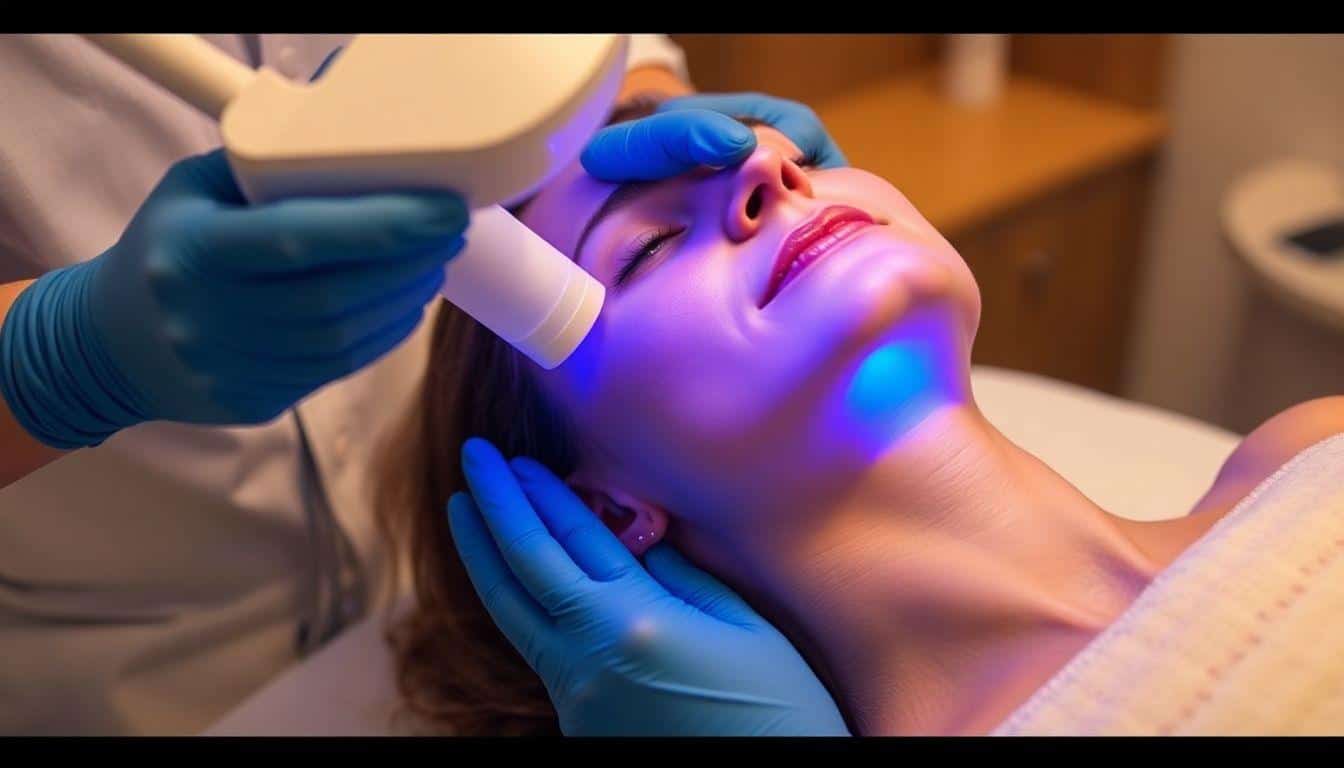
Laser hair removal, a popular cosmetic procedure, employs concentrated light beams to target and destroy hair follicles. This process inhibits future hair growth and offers a more permanent solution compared to traditional methods like shaving or waxing. The technology has evolved significantly since its inception, with myriad devices now available that cater to different skin types and hair colors.
While laser hair removal is a common practice, it’s essential to understand its underlying mechanics. The laser emits a light that is absorbed by the pigment (melanin) in the hair. The light energy is converted to heat, which damages the hair follicles that produce hairs. This damage inhibits or delays future hair growth. It’s a convenient method, offering a semi-permanent solution that reduces the need for constant maintenance compared to other hair removal techniques.
Insider Tip: Dr. Elena Mitchell, a dermatologist specializing in laser treatments, highlights that “the success of laser hair removal largely depends on the contrast between the color of the hair and the skin. The greater the contrast, the more effective the treatment.”
Is it safe to have laser hair removal during pregnancy?
Navigating the safety of laser hair removal during pregnancy is akin to walking a tightrope. The truth is, there is a significant lack of definitive research studying the effects of laser hair removal on pregnant women and their unborn babies. Medical professionals often err on the side of caution, advising against the procedure during pregnancy due to the unknowns and the absence of concrete evidence regarding its safety.
Personally, I remember grappling with the same question during my pregnancy. I was tempted to continue my regular treatments but ultimately decided against it, guided by the principle of “better safe than sorry.” Consulting with my dermatologist, I learned that while the laser light only penetrates a few millimeters into the skin, the hormonal changes during pregnancy can affect skin sensitivity and pigmentation, potentially complicating the outcome.
Insider Tip: According to Dr. Sarah James, an obstetrician, “The primary concern is not necessarily the direct effect of the laser on the baby, but rather the lack of studies demonstrating its safety during pregnancy. Hormonal changes can also lead to unpredictable skin reactions.”
What are the risks of having laser hair removal during pregnancy?
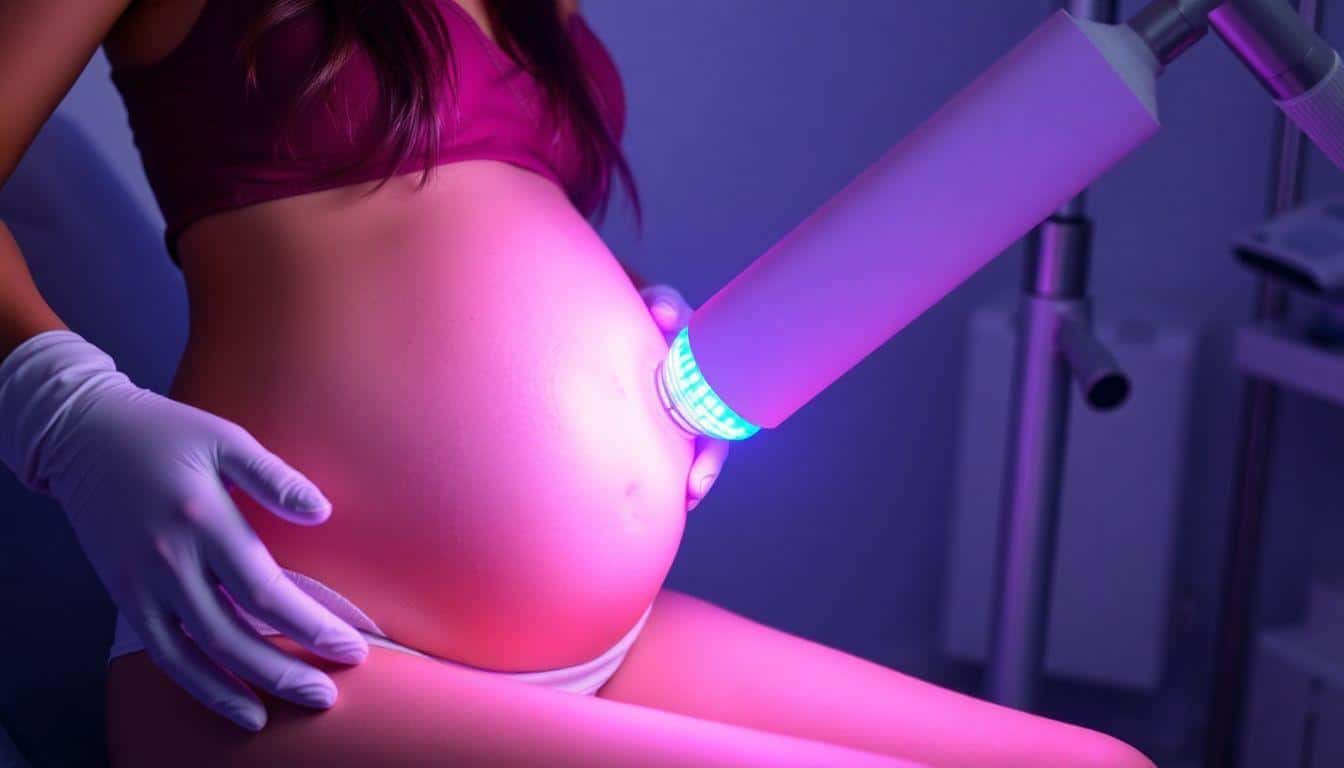
The risks associated with laser hair removal during pregnancy are primarily speculative, given the dearth of specific studies. However, several potential concerns warrant consideration. Hormonal changes during pregnancy can lead to increased skin sensitivity, leading to heightened discomfort during treatment or unusual skin reactions such as pigmentation changes or burns.
Another risk to consider is the psychological impact. Pregnancy is a time of heightened anxiety for many women, and introducing a procedure that carries unknown risks can contribute to unnecessary stress. The ethical stance of many practitioners is to avoid any non-essential procedures during pregnancy to circumvent these potential pitfalls.
Insider Tip: Dr. Amanda Lee, a prenatal care specialist, emphasizes that “pregnancy is a delicate period, and it is crucial to avoid stressors that can be easily postponed. Opt for alternative methods that are known to be safe.”
What are the alternatives to laser hair removal during pregnancy?
In lieu of laser hair removal, there are several alternative methods that pregnant women can consider to manage hair growth. These methods are generally non-invasive and do not pose risks to the mother or fetus. Shaving is the most common alternative, and while it requires frequent maintenance, it is safe and effective.
Depilatory creams are another option, but they come with caveats. It’s essential to conduct a patch test first, as pregnancy hormones can alter skin sensitivity, increasing the risk of irritation. Waxing is also feasible, although it may be more painful during pregnancy due to heightened skin sensitivity.
For those seeking more natural approaches, sugaring, a method using a paste made from sugar, water, and lemon juice, can be less abrasive on sensitive skin compared to traditional waxing. This method is gaining popularity for its natural ingredients and gentler impact on the skin.
Insider Tip: Dermatologist Dr. Rachel Wong suggests, “During pregnancy, it’s advisable to stick to tried-and-tested hair removal methods that you’re already accustomed to. This minimizes the risk of unexpected reactions.”
What about after pregnancy?
Post-pregnancy, many women find themselves eager to return to their pre-pregnancy routines, including laser hair removal. However, it’s crucial to allow the body time to recover from childbirth before resuming treatments. This period varies, but most experts recommend waiting at least six months postpartum to ensure hormonal levels stabilize.
Breastfeeding introduces another layer of complexity. While there is no conclusive evidence that laser hair removal affects lactation, some experts advise caution. The decision to resume treatments should be made in consultation with a healthcare provider, considering both the mothers health and the infant’s needs.
Once cleared to proceed, the benefits of laser hair removal are undeniable. It can dramatically reduce the time spent on grooming, freeing up precious moments for new mothers to bond with their babies or enjoy some much-needed rest.
Insider Tip: Dr. Linda Evans, a cosmetic surgeon, advises, “Postpartum is an ideal time to re-evaluate your beauty regimen. As your body adjusts, consider incorporating treatments that align with your new lifestyle and priorities.”
In conclusion, while the allure of laser hair removal is tempting, especially for those accustomed to its convenience, pregnancy introduces a host of variables that make it prudent to err on the side of caution. Prioritize the safety and health of both mother and child, opting for alternative hair removal methods during this transformative time. Post-pregnancy, with guidance from healthcare professionals, women can confidently resume their beauty routines, embracing both the challenges and joys of motherhood with grace and self-assurance.
Answers To Common Questions
Can you get IPL treatment while pregnant?
It is generally advised to avoid IPL treatments during pregnancy.
What are the risks of IPL during pregnancy?
The risks include potential skin sensitivity and hormonal changes.
How does pregnancy affect IPL treatment results?
Hormonal fluctuations during pregnancy can alter treatment effectiveness.
Who should you consult before IPL during pregnancy?
Always consult a healthcare professional before considering IPL.
Is there a safe alternative to IPL while pregnant?
Many prefer gentle skincare routines or consulting dermatologists instead.
What if I really want IPL while pregnant?
Discuss your concerns with a doctor to explore safer options or timing.