The debate around laser hair removal during pregnancy is clouded with uncertainty and speculation. Despite the absence of definitive studies proving its harm or safety, the prevailing sentiment among medical professionals is one of caution. When it comes to pregnancy, the mantra “better safe than sorry” often takes precedence. Listening to anecdotal experiences, you’ll find a diverse range of opinions, but the medical community remains largely conservative on this front.
Imagine being in a state where every decision you make potentially impacts another life. The anxiety is palpable, and it is in this context that many expectant mothers choose to err on the side of caution. Pregnancy is already a time of immense change, both physically and emotionally. Adding the potential unknown risks of laser procedures into the mix can feel unnecessary.

Insider Tip: Dr. Emily Hsu, a renowned dermatologist, advises that the lack of research on the subject is precisely why many experts recommend avoiding laser hair removal during pregnancy. She suggests focusing instead on maintaining a healthy skincare routine, which can be just as effective in managing unwanted hair in the long term.
For those who find hair removal a necessity, alternatives like shaving or waxing, albeit less convenient, tend to be preferred. These methods, while not as long-lasting, are well-studied and pose no known risks to the fetus. The focus should remain on ensuring both maternal comfort and fetal safety, prioritizing well-being over aesthetic concerns during these critical months.
What Are the Risks of Laser Hair Removal During Pregnancy?
Laser hair removal involves the use of concentrated light beams to destroy hair follicles. While there is no concrete evidence suggesting these beams are harmful to a fetus, the mere absence of data doesn’t equate to safety. The skin, being more sensitive during pregnancy due to hormonal changes, is more susceptible to irritation and pigmentation changes. This sensitivity can lead to unexpected results and discomfort, turning a simple beauty procedure into a potential ordeal.
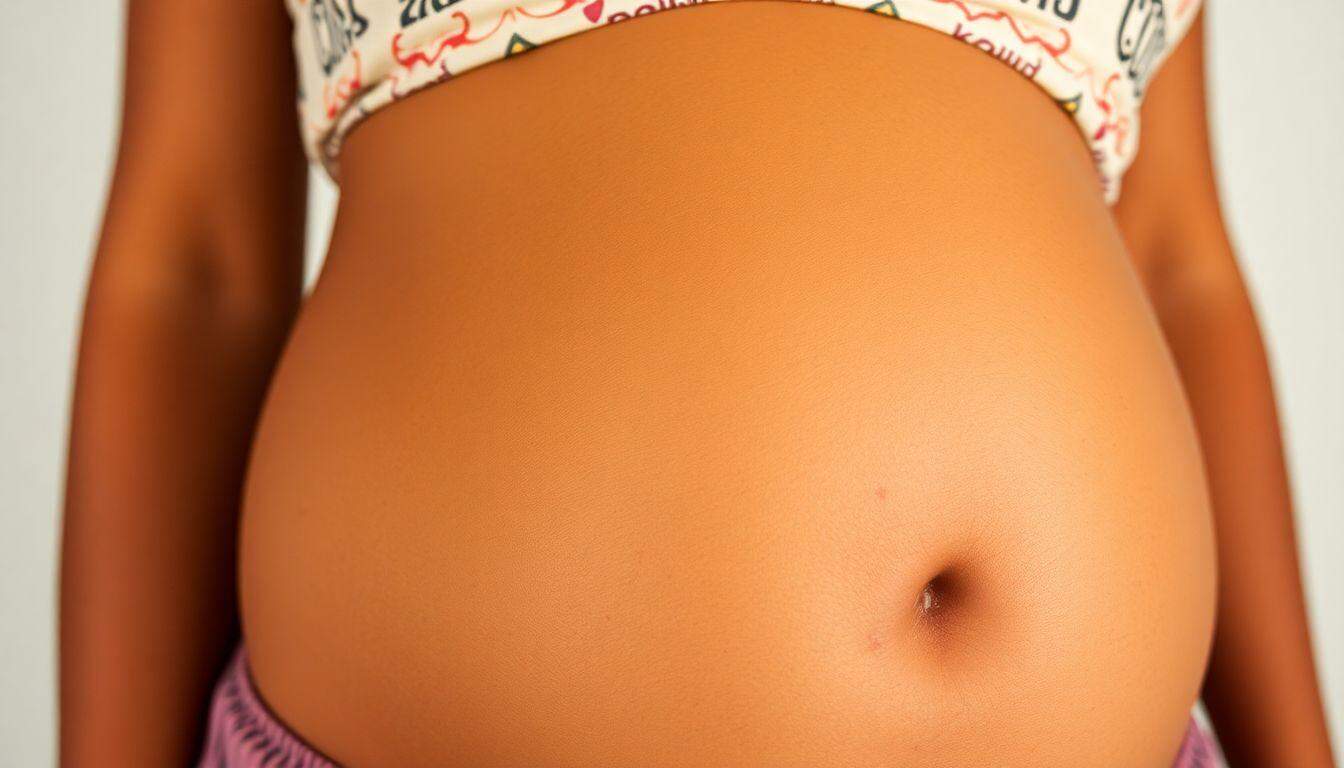
Several case studies have highlighted increased pigmentation following laser treatments during pregnancy. Melasma, a condition causing brown patches on the skin, is already more common in pregnant women due to hormonal changes. Adding lasers, which can exacerbate pigmentation issues, might not be the wisest choice. Hyperpigmentation is not just a cosmetic concern. It can have a profound impact on a woman’s self-esteem during a period already rife with body image challenges.
Insider Tip: Dr. Rachel Simmons, a leading obstetrician, highlights the importance of consulting with both your dermatologist and obstetrician before considering any cosmetic procedures during pregnancy. These consultations can provide personalized insights and help in making informed decisions.
Beyond pigmentation, there is also the concern of pain and discomfort. Pregnancy can amplify pain sensitivity, turning what would typically be a tolerable procedure into a painful one. Given these factors, it is often advised to postpone laser treatments until after childbirth when the body has had time to recover and stabilize.
What Are the Alternatives to Laser Hair Removal During Pregnancy?
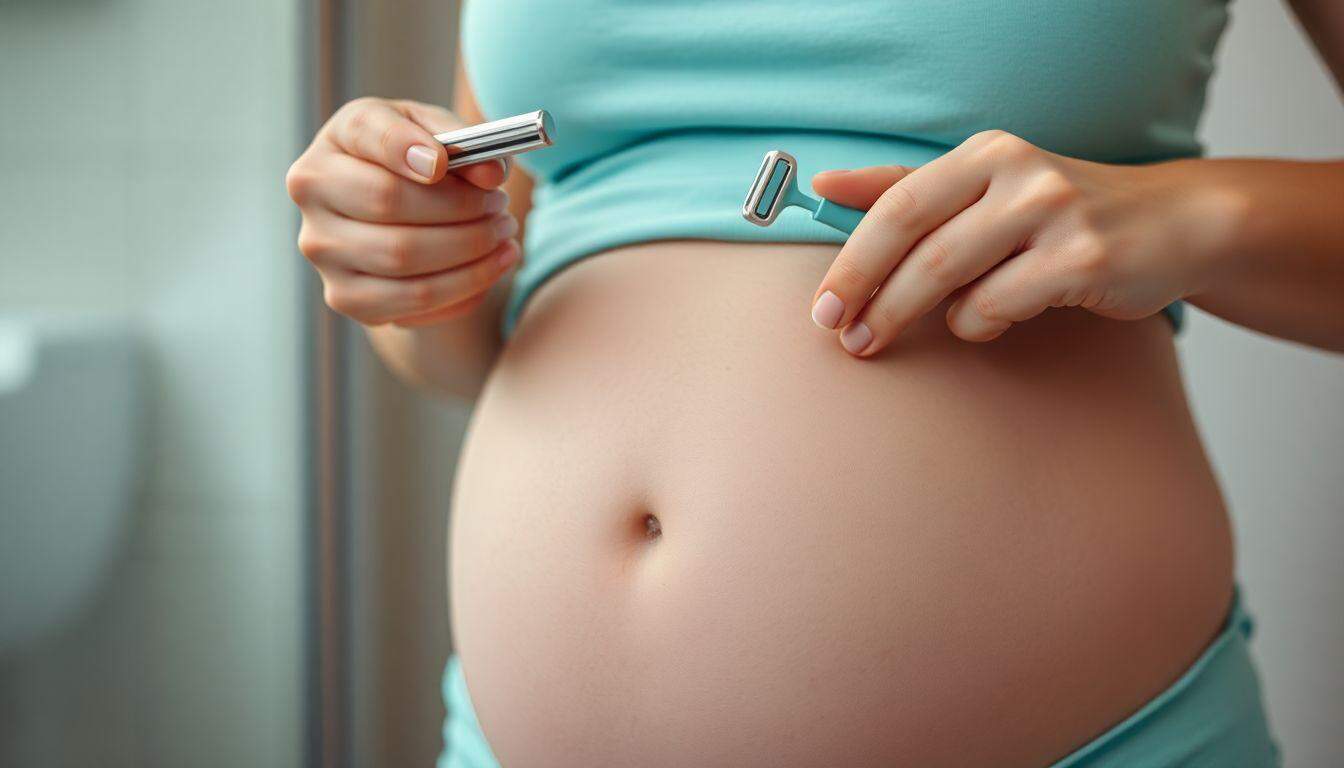
For those seeking alternatives to laser hair removal during pregnancy, several options are available. Shaving remains the most straightforward and safest method. It’s quick, and when done properly, minimizes the risk of cuts and irritation. Invest in a high-quality razor and hydrating shaving cream to ensure a smooth experience.
Waxing is another viable option, offering longer-lasting results than shaving. However, it’s important to note that the increased sensitivity during pregnancy can make this method more painful. If you choose to wax, consider doing so in a professional salon with experience in prenatal care. This ensures not only a more comfortable experience but also adherence to the highest hygiene standards.
For something more permanent, but still safe during pregnancy, consider electrolysis. While also involving the destruction of hair follicles, electrolysis does not utilize lasers. Instead, it uses electrical currents, which, according to available research, pose less risk to pregnant women. That said, it still requires a conversation with your healthcare provider.
Insider Tip: Many women find that pregnancy is an opportune time to embrace natural beauty. With the hormonal changes often leading to thicker hair, it might be worth exploring styles that incorporate this temporary abundance rather than fighting it.
What Are the Benefits of Laser Hair Removal After Pregnancy?
Post-pregnancy is an excellent time to consider laser hair removal. With the body gradually returning to its pre-pregnancy state, the skin is less sensitive and more stable, reducing the risk of adverse reactions. Many new mothers find that investing in long-term hair removal methods like laser treatments can be a practical choice amidst the demands of motherhood.
Laser hair removal offers a semi-permanent solution, saving time otherwise spent on regular shaving or waxing. This can be particularly beneficial for new moms, who often find themselves juggling numerous responsibilities. The convenience of reduced hair growth can significantly ease personal care routines, allowing more time to focus on the joys of motherhood.

Moreover, many women experience increased confidence post-treatment, as smooth skin can contribute positively to body image. This boost in self-esteem is invaluable, particularly after the significant physical changes of pregnancy. The psychological benefits of feeling good about one’s appearance can enhance overall well-being, impacting everything from social interactions to personal relationships.
Insider Tip: Consider scheduling a consultation at a reputable spa or clinic, such as those offering extensive salon services, to discuss your specific needs and goals. Personalized advice can ensure you achieve the best results from your post-pregnancy laser treatments.
In conclusion, while laser hair removal during pregnancy remains a topic of debate, the consensus leans toward avoiding it until after childbirth. The risks, though not fully understood, are enough to warrant caution. Embracing alternative hair removal methods during pregnancy and planning for laser treatments post-birth strikes a balance between safety and aesthetic desires. Ultimately, the well-being of both mother and child takes precedence, guiding decisions through the transformative journey of motherhood.
FAQs
Can you get laser hair removal when pregnant?
It is generally advised to avoid laser hair removal during pregnancy.
What are the risks of laser hair removal while pregnant?
The main risks include hormonal changes affecting skin sensitivity.
How does pregnancy affect laser hair removal results?
Hormonal changes during pregnancy can lead to unpredictable results.
Who should I consult about laser hair removal during pregnancy?
You should consult your healthcare provider for personalized advice.
Are there safe hair removal alternatives while pregnant?
Yes, options like shaving or waxing are considered safer alternatives.
What if I had laser hair removal before knowing I was pregnant?
Consult your doctor, but most studies suggest minimal risk to the fetus.